Blog

Guides, product updates and CherryX team experience.

Changing IT Vendors Mid-Project: The Math of Losses When Transferring Someone Else's Code

Changing IT Vendors Mid-Project: The Math of Losses When Transferring Someone Else's Code

14 February 2026

In the lifecycle of a software development project, it's not uncommon for businesses to consider, or even execute, a change in their IT vendor or development team. Reasons can vary from unmet expectations, budget overruns, communication breakdowns, or a simple desire for a "fresh start." While the intention is often to salvage a struggling project or find a more efficient path forward, the act of changing contractors mid-project, particularly when dealing with existing code, introduces a complex
The Illusion of Security: Why "Boxed" CMS Solutions Are Broken More Often Than Custom-Built Solutions

The Illusion of Security: Why "Boxed" CMS Solutions Are Broken More Often Than Custom-Built Solutions

14 February 2026

In the digital realm, the choice of a website platform often boils down to two main options: readily available "boxed" Content Management Systems (CMS) like WordPress, Joomla, or Drupal, and custom-built solutions. While boxed CMS platforms are lauded for their ease of use, extensive feature sets, and quick deployment, they often harbor a subtle yet critical vulnerability: an "illusion of security." Many businesses assume that because these platforms are widely adopted and actively maintained, t

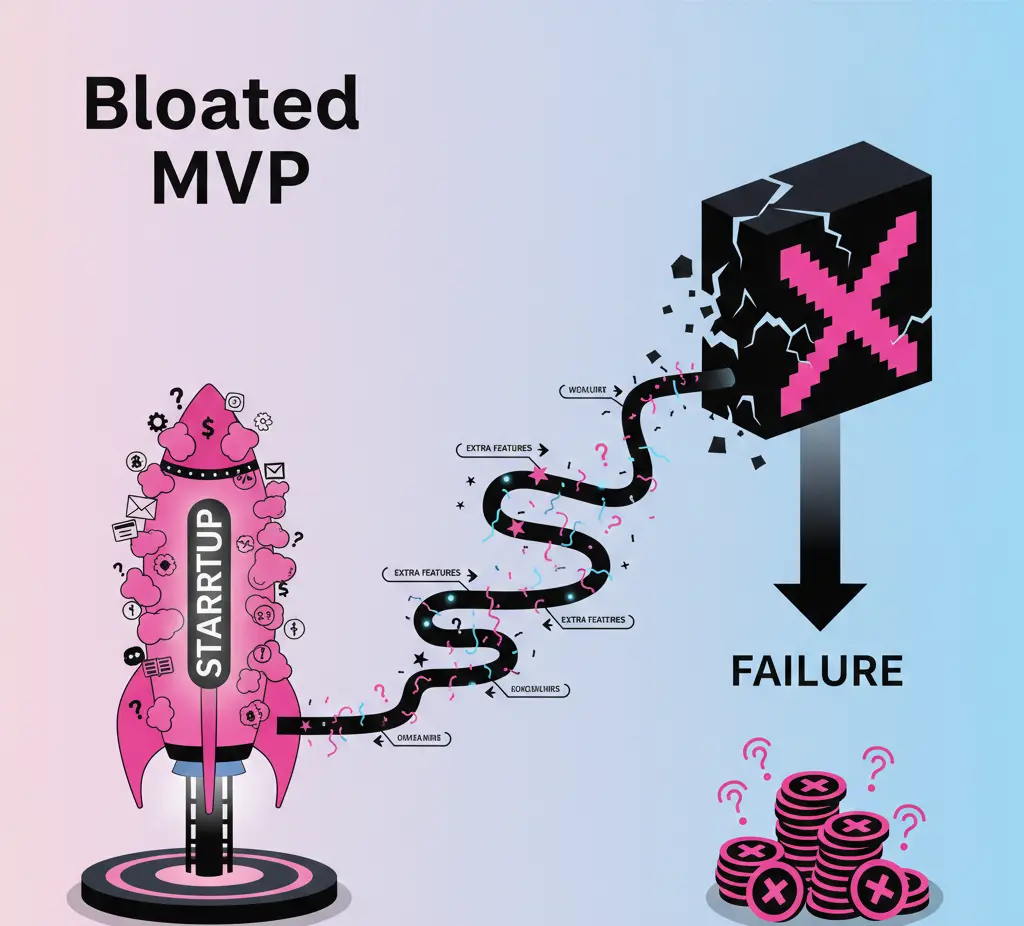
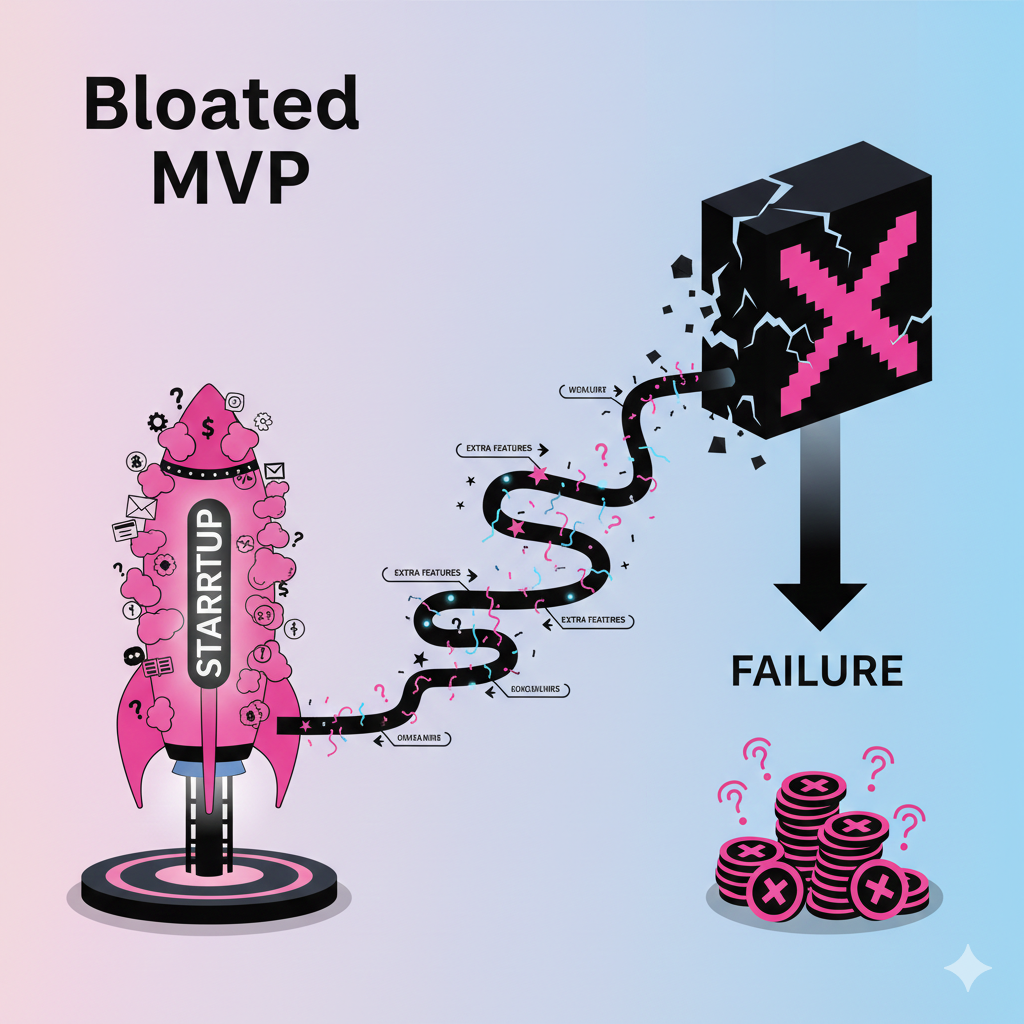
The Bloated MVP Syndrome: How Extra Features Kill a Startup Before Launch

The Bloated MVP Syndrome: How Extra Features Kill a Startup Before Launch

14 February 2026

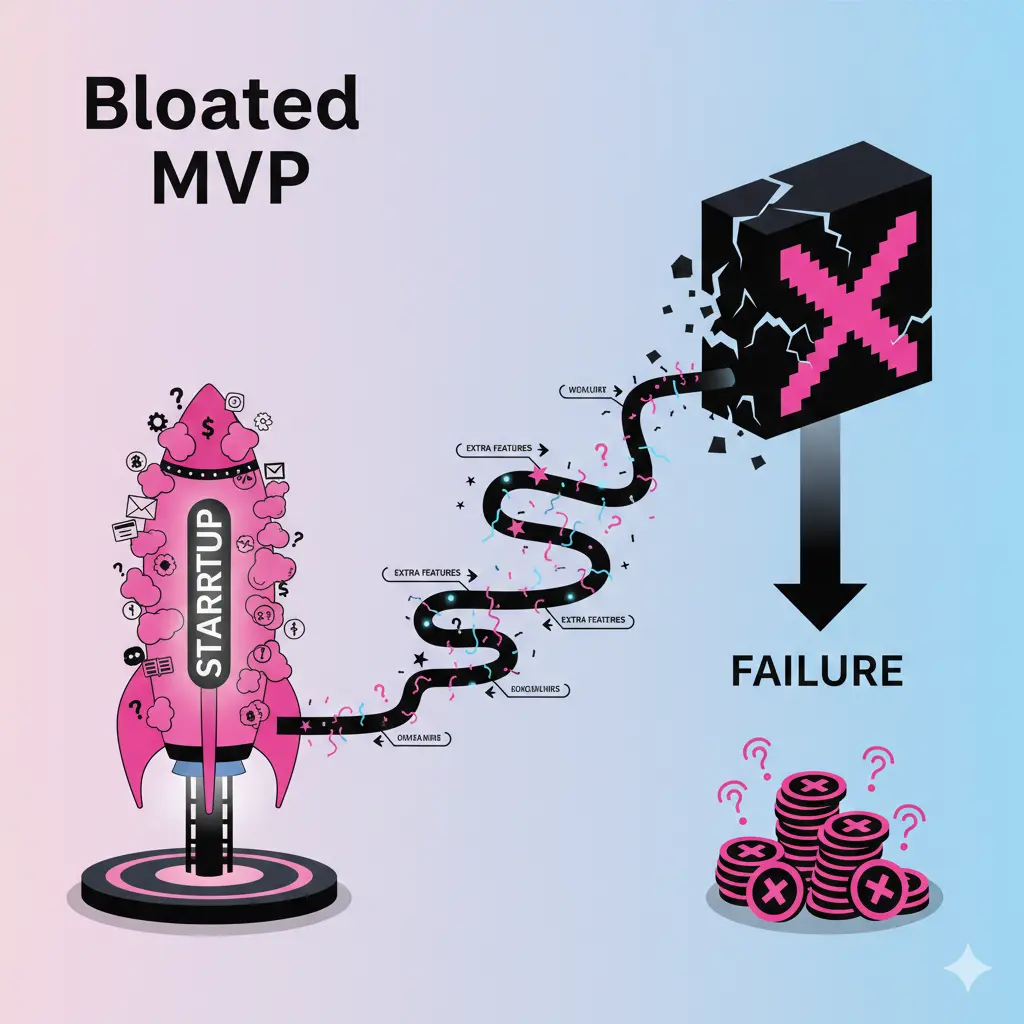
In the fast-paced world of startups, the concept of a Minimum Viable Product (MVP) is gospel. It advocates for launching a product with just enough features to satisfy early customers and gather feedback for future development. The goal is rapid market entry, validated learning, and efficient resource allocation. However, many ambitious founders fall prey to the "Bloated MVP Syndrome," where the pursuit of perceived completeness leads to the inclusion of too many features, effectively killing th

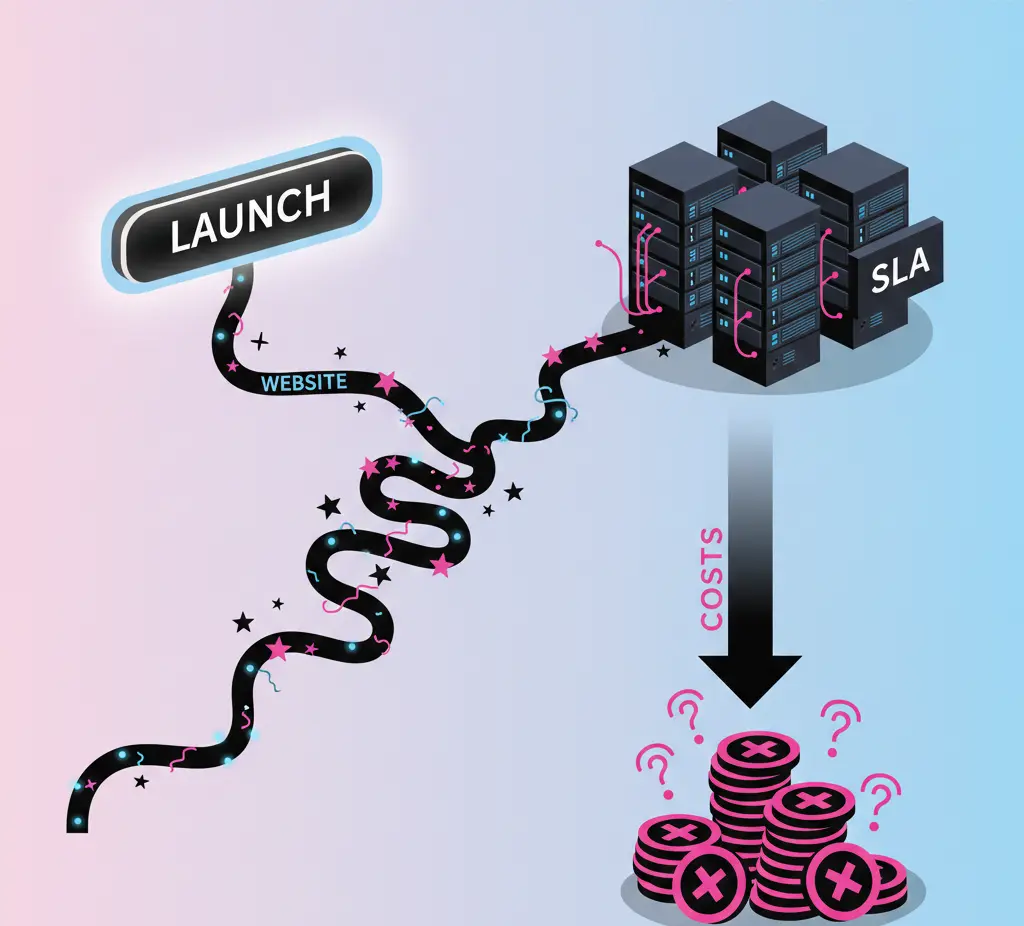
Life After Release: The Support Budget (SLA) Studios Don't Talk About

Life After Release: The Support Budget (SLA) Studios Don't Talk About

14 February 2026

The exhilarating moment of a website or application launch is often seen as the finish line. The development phase is over, the product is live, and the initial budget has been spent. However, for many businesses, this "finish line" is merely the end of the first lap. What often remains unspoken during initial project discussions with development studios is the crucial, ongoing cost of post-release support and maintenance – specifically, the budget for Service Level Agreements (SLAs). Ignoring t

Технічний борг як бізнес-ризик: вартість заморозки розробки нових фіч

Технічний борг як бізнес-ризик: вартість заморозки розробки нових фіч

14 February 2026

У швидкоплинному світі розробки програмного забезпечення, де інновації є ключовими для збереження конкурентоспроможності, концепція «технічного боргу» стала критичною бізнес-проблемою. Часто накопичений через поспішну розробку, неповні рішення або знехтувані архітектурні рішення, технічний борг — це більше, ніж просто неакуратний код; це стратегічна відповідальність, яка може серйозно вплинути на здатність компанії розвиватися. Одним з його найбільш підступних наслідків є «заморозка» розробки но

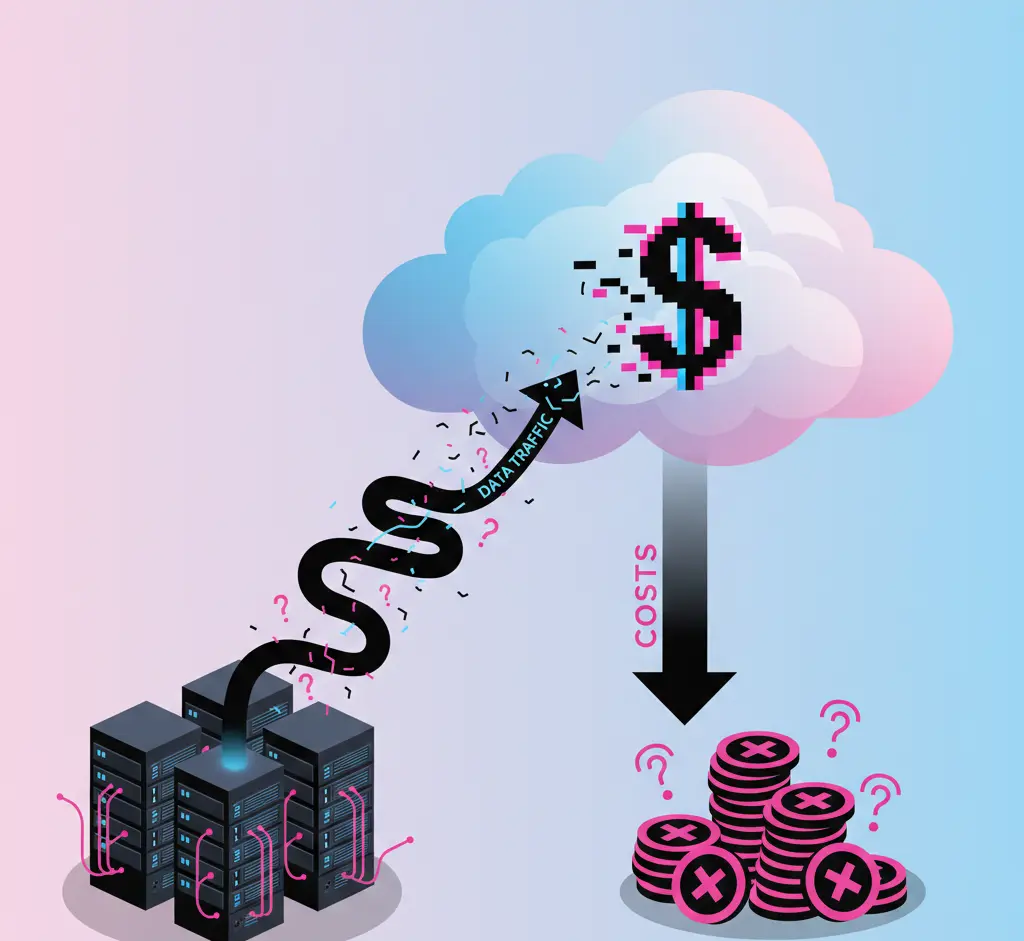
Cloud Inflation: Why Server Bills Grow Faster Than Traffic

Cloud Inflation: Why Server Bills Grow Faster Than Traffic

14 February 2026

The promise of cloud computing has always been alluring: boundless scalability, reduced upfront infrastructure costs, and the flexibility to innovate at speed. For many businesses, migrating to the cloud was seen as a definitive step towards optimizing IT expenses. However, a growing number of organizations are now discovering a phenomenon dubbed "cloud inflation," where their monthly server bills escalate at a rate far exceeding the growth of their user traffic or core business operations. This